Bean-to-bar chocolatier & couverture house
Chocolate built from the bean, not the shelf.
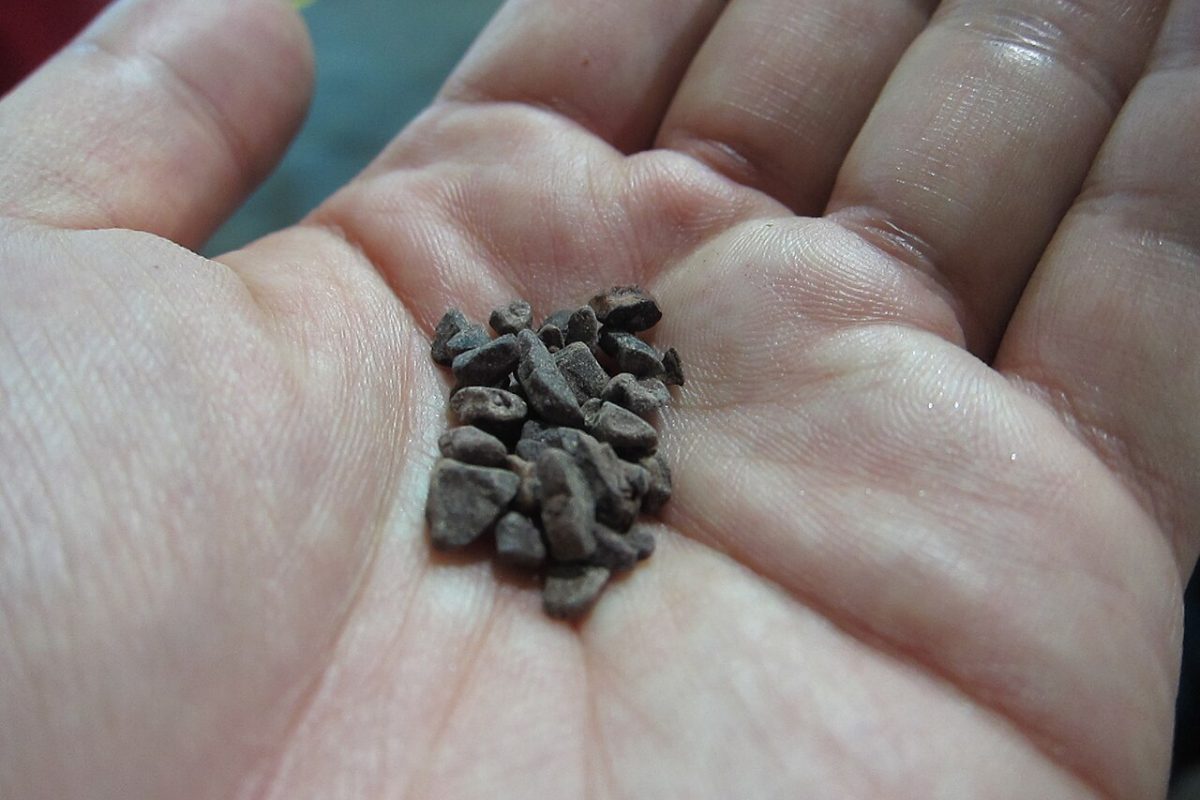
A bean-to-bar chocolatier working directly with cacao from eight real growing origins — single-origin bars, inclusion bars, and professional couverture for pastry kitchens, fermented, roasted, conched, and tempered a few miles from where every bar is finally molded.
11
Years bean-to-bar
16
Bars in the catalogue
10
Cacao origins sourced
4
Catalogue categories
Signature tool 01
The tempering curve
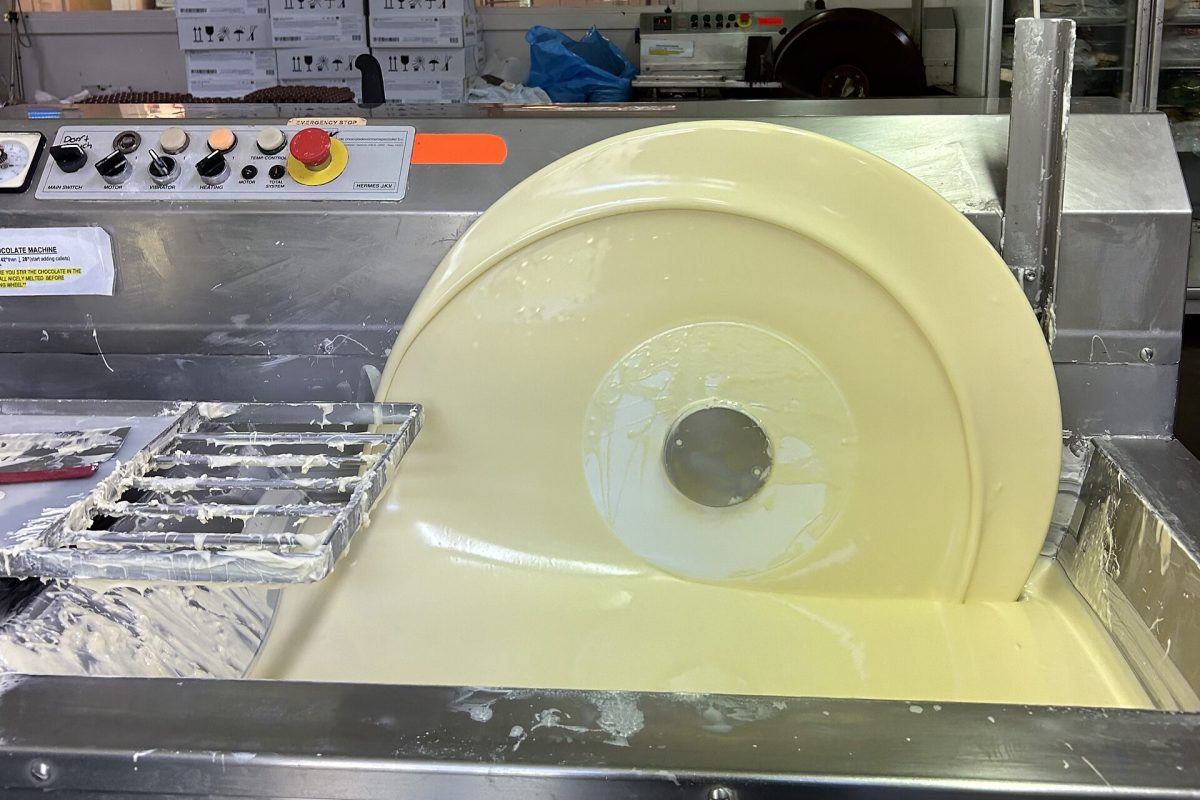
Every bar we mold passes through a real three-stage temperature curve — melt, cool/seed, and work — that coaxes cocoa butter into its one stable crystal form. Select a chocolate type to see its real published curve and what is physically happening to the cocoa butter at each stage.
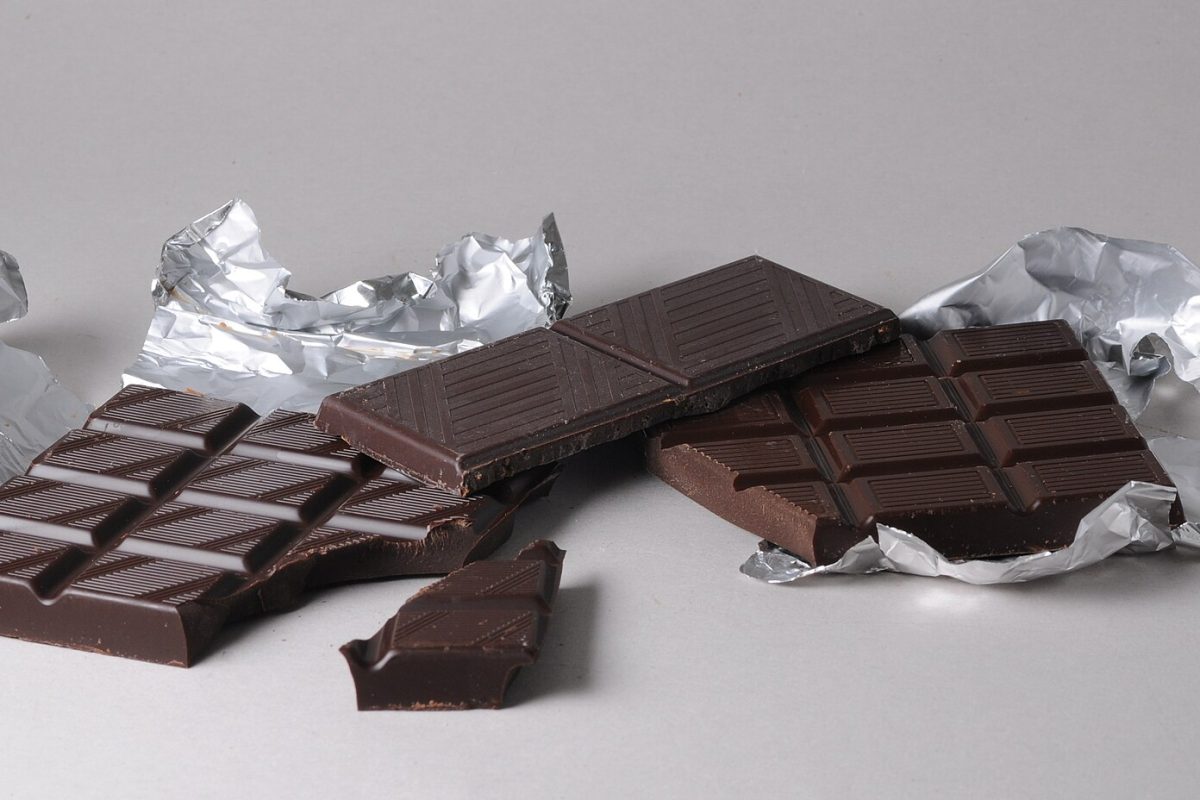
Cocoa mass, cocoa butter, and sugar only — no milk fat to interfere with crystallization, so dark chocolate runs the whole curve a few degrees warmer than milk or white.
Melt
45–50°C
Fully melted, well above body temperature, to erase every trace of existing cocoa-butter crystal structure — all six polymorphic forms (I–VI) are melted out, so the chocolate has no "memory" of its prior crystallization to fight against.
Cool / seed
27–28°C
Cooled while agitating (or seeded with a small amount of already-tempered chocolate) to nucleate crystals of Form V — the dense, stable polymorph responsible for a glossy surface and a clean, audible snap. Cooling too far risks nucleating a mix of unstable forms alongside it.
Work
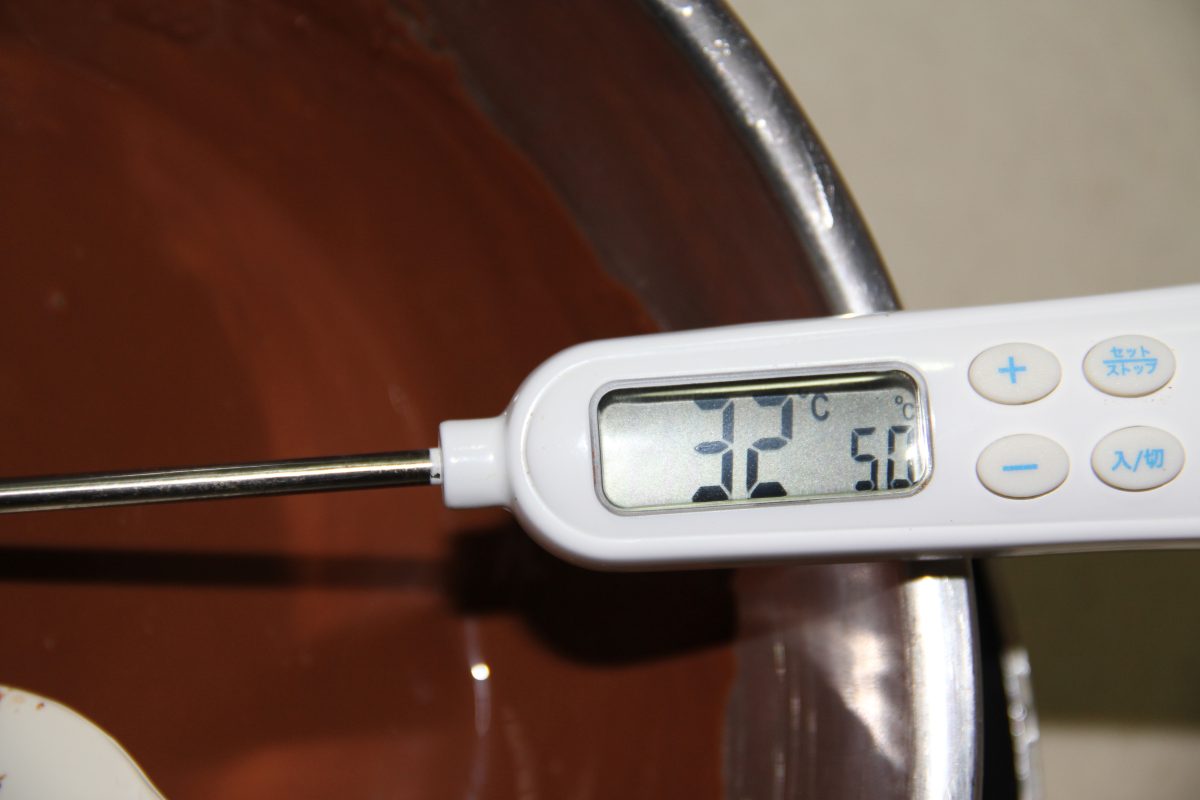
31–32°C
Gently rewarmed just enough to melt out the smaller, unstable crystal forms (I–IV) while leaving Form V intact — this is the working/dipping/molding temperature. Go too high and Form V melts too; stay too low and the unstable forms linger, setting up bloom later.
Method: the classic three-stage tabling temperature curve published across professional chocolate-supplier technical guides and standard chocolate-science references. Cocoa butter has six known crystal polymorphs (Forms I-VI); Form V is the dense, stable form that gives a clean snap and gloss, while Form VI is the over-stable form that develops as bloom on old, poorly stored chocolate.
Signature tool 02
Bean to bar, stage by stage
From a fermenting box to a finished bar is seven real stages and, depending on how it is counted, anywhere from about two weeks to well over a month. Select a stage to see its real published duration range and what actually changes in the cacao at that point.
Fermentation
2–9 daysBeans and surrounding pulp are piled in boxes or heaps, where wild yeasts and bacteria convert the pulp sugars into acids (mainly lactic and acetic) and heat the pile to as high as 45-50°C. That heat and acidity kills the bean and triggers the breakdown of bitter polyphenols and storage proteins into the amino acids and reducing sugars that become chocolate flavor once roasted — skip or rush this stage and no amount of roasting later can create real chocolate flavor from scratch.
Roasting runs far gentler and cooler than coffee roasting (roughly 120-150°C here versus 200-230°C for coffee) because cacao's flavor precursors are built during fermentation, not by aggressive roasting. Conching duration in particular varies enormously by desired quality — from a few hours for a fast commodity conche to as long as three days for the most demanding craft and couverture houses.
Signature tool 03
What the percentage on the label actually means
The percentage on a chocolate bar isn't "how much bean" in some vague sense — it's the real, standard industry math: cocoa mass plus any added cocoa butter, as a percentage of the bar's total weight. Enter a recipe below and see the real resulting percentage computed live.
75.8%
- Total cacao weight
- 750g
- Total bar weight
- 990g
- Added butter, % of cacao
- 20%
- Sugar, % of bar
- 24.2%
This recipe comes out to 75.8% cacao — 600.0g of cocoa mass plus 150.0g of added cocoa butter, against the total bar weight. Added cocoa butter makes up 20.0% of the cacao content here: more cocoa mass relative to sugar pushes flavor intensity and bitterness up, while more added cocoa butter (nearly flavorless on its own) mainly makes the chocolate more fluid and smoother in the mouth without changing the flavor much.
This is the real, standard industry definition of the percentage printed on packaging (cocoa mass + added cocoa butter ÷ total weight) — not an approximation. Sugar and, for milk chocolate, milk solids make up the remainder. Added cocoa butter is nearly flavorless on its own, which is why raising it smooths mouthfeel and fluidity far more than it changes flavor.
For pastry kitchens & restaurants
Professional couverture, sold by the block
Alongside our consumer bars, we run a wholesale couverture line for chocolatiers, pastry chefs, and restaurant kitchens — high-cocoa-butter dark, milk, and white couverture in callets and blocks, made for enrobing, molding, and ganache work, not for a shelf.
Wholesale & couverture page- Dark, milk, and white couverture, sold in 5kg and 25kg callet cases
- Higher cocoa-butter content for real enrobing and molding fluidity
- Consistent batch-to-batch tempering behavior, documented per lot
- Custom origin blends available for house signature couverture
The maison
Small batches, from real cacao
For 11 years we've fermented, roasted, and conched our own chocolate from whole cacao beans — never from remelted industrial couverture, never with vegetable-fat substitution. Every batch is small enough that one person tastes it at every stage, from the fermentation box to the finished bar.
From chefs & press
“Their dark couverture tempers more consistently than anything else we've run through the enrober — the batch documentation actually matches what we see on the line.”
“The Madagascar bar is the first single-origin we've carried where the tasting notes on the wrapper actually match what's in the bar.”
“Small-batch chocolate that actually tastes different origin to origin, not just marketed that way.”
“We switched our ganache work to their milk couverture and stopped having bloom issues in storage.”
Retail, wholesale, or press
Tell us what you need — a stockist question, a wholesale couverture account, or a press sample — and we'll follow up within two business days.